Biomass is more than just firewood in the fireplace or organic waste in the bin – it is one of the most versatile renewable energy sources of our time. Whilst the sun and wind only provide energy under the right weather conditions, biomass is available continuously and can be stored. But what exactly does this term mean, and how is organic material turned into usable energy? This article explains the basics of biomass, its various forms and its importance for the energy transition.
What is biomass, explained simply?
Biomass refers to organic material derived from living or recently deceased organisms. Essentially, it comprises all biodegradable substances from plants, animals or their residues that can be used to generate energy. The term ‘biomass’ is used in two different contexts: biological-ecological and energy-related.
In biology and ecology, biomass describes the total mass of all living and dead organisms in a specific area or ecosystem. This includes plants, animals, microorganisms, as well as their organic residues and metabolic products. This definition is important for understanding food chains, carbon cycles and ecological relationships.
In the energy sector – which is the focus of this article – biomass refers to organic, mostly non-fossil raw materials used to generate heat, electricity or fuels. This definition is central to energy production and climate protection.
Biomass as stored solar energy
A particularly illustrative concept: biomass is essentially stored solar energy. Through photosynthesis, plants use sunlight to build energy-rich organic compounds from carbon dioxide (CO₂) and water. This energy remains stored in plant biomass – in the form of carbohydrates, cellulose, lignin and other organic molecules.
When animals eat these plants, the stored energy is transferred and converted into animal biomass. When biomass is used to generate energy – whether through combustion, fermentation or other processes – this stored solar energy is released again and converted into usable heat or electricity.
This continuous cycle fundamentally distinguishes biomass from fossil fuels such as coal or oil, which were also formed from organic material but were stored underground for millions of years and are non-renewable.
Typical examples of biomass
The range of usable biomass is enormous. The most important categories include:
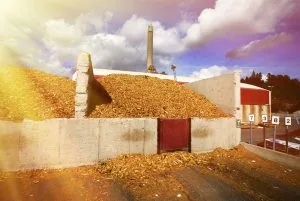
Wood and wood residues: Logs, wood chips, pellets, sawdust and wood shavings from forestry and the wood-processing industry are among the classic forms of biomass. They are primarily used for heat generation.
Agricultural residues: Straw, crop residues after harvest, maize silage and other crop residues are produced in large quantities and are well suited for energy production.
Animal manure: Slurry and solid manure from livestock farming contain organic substances that are particularly suitable for biogas production.
Organic waste: Bio-waste from households, the catering sector and the food industry, as well as sewage sludge and garden waste, represent another important source of biomass.
Energy crops: Crops grown specifically for this purpose, such as maize, rapeseed, miscanthus and sugar beet, are cultivated specifically for energy production.
Algae and aquatic biomass: Fast-growing algae are an increasingly interesting field of research and could play a more significant role in the future.
Difference between solid, liquid and gaseous biomass
Depending on its physical state and form of processing, biomass can be divided into three main categories:
Solid biomass mainly comprises wood in various forms (logs, wood chips, pellets), straw, cereals and other plant-based solids. These are usually burnt directly to generate heat, or used in biomass power stations to generate electricity.
Liquid biomass is produced by processing organic raw materials into biofuels. These include biodiesel made from rapeseed oil or waste fats, bioethanol from sugar- or starch-containing plants, and vegetable oil, which can be used directly as a fuel.
Gaseous biomass is produced through biological or thermochemical processes. The best-known example is biogas, which is produced by the anaerobic digestion of organic materials in biogas plants.
Biomass biogas: The power of fermentation
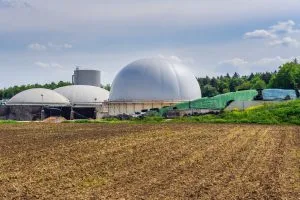
Biogas occupies a special place amongst the various forms of biomass. It is produced when organic material is broken down by microorganisms in the absence of oxygen – a process known as anaerobic fermentation.
In biogas plants, organic substrates such as slurry, manure, energy crops or biowaste are specifically fermented in airtight containers (fermenters). During this process, bacteria produce a combustible gas mixture consisting mainly of methane (50 – 75 per cent) and carbon dioxide. This biogas can be used directly to generate heat and electricity, or processed into biomethane and fed into the natural gas grid.
The advantage of biogas lies in its storability and flexibility of use. Unlike solar or wind energy, biogas can be utilised precisely when electricity is needed. Furthermore, the fermentation process leaves behind a high-quality digestate that can be used as fertiliser in agriculture – a closed nutrient cycle.
Modern biogas technology, such as that developed by specialist suppliers, optimises gas yield through intelligent agitation systems, efficient substrate feeding and thermal treatment processes. The separation of digestate and its processing into high-quality fertilisers is also among the latest developments in the biogas sector.
Biomass energy: applications and processes
The energy stored in biomass can be released and utilised in various ways:
Thermal utilisation: Direct combustion is the oldest and simplest method. In wood-burning stoves, pellet heating systems or biomass power stations, biomass is burnt to produce heat or to generate electricity via steam turbines.
Biochemical conversion: Biogas is produced through microbiological processes such as anaerobic digestion. Alcoholic fermentation for bioethanol production is also a biochemical process.
Physico-chemical conversion: Biodiesel is produced through the esterification of vegetable oils. The extraction of oils from oilseeds for direct energy use also falls into this category.
Thermochemical conversion: Processes such as pyrolysis (carbonisation in the absence of oxygen) or gasification convert solid biomass into gaseous or liquid energy carriers.
Each process has specific advantages and disadvantages in terms of efficiency, technical complexity and potential applications. The choice of the appropriate process depends on the type of biomass, the desired form of energy and local conditions.
Advantages of biomass as an energy source
As a renewable energy source, biomass offers numerous advantages:
Renewability: Unlike fossil fuels, biomass regrows continuously and is therefore, in principle, available in unlimited quantities, provided it is managed sustainably.
CO₂ neutrality: During combustion or fermentation, only as much CO₂ is released as the plants previously absorbed during their growth. The carbon cycle remains, in theory, closed.
Storability: Unlike wind or solar energy, biomass can be stored and used as and when required. It therefore contributes to base-load capacity and security of supply.
Regional value creation: Biomass can be produced and used locally, which shortens transport distances, creates jobs and strengthens the regional economy.
Waste utilisation: Organic residues and waste materials that would otherwise have to be disposed of can be put to good use as a source of energy.
Versatility: Biomass can be converted into solid, liquid and gaseous energy sources and used for heating, electricity and transport.
Challenges and criticism
Despite the advantages, there are also critical aspects that must be taken into account when using biomass:
Competition for land: The cultivation of energy crops competes with food production for agricultural land. This so-called ‘food versus fuel debate’ is particularly contentious in the context of biofuels.
Sustainability issues: Only sustainably produced biomass is truly climate-friendly. Deforestation, monocultures or energy-intensive cultivation methods can significantly worsen the carbon footprint.
Efficiency: The energy yield per unit area is often lower for biomass than for photovoltaics or wind power. Furthermore, energy is lost during conversion processes.
Emissions: Depending on the technology used, the combustion of biomass can produce particulate matter, nitrogen oxides and other pollutants.
Logistics: The transport and storage of biomass are complex and energy-intensive, particularly in the case of materials with low energy density such as straw or garden waste.
Responsible use of biomass therefore requires clear sustainability criteria, efficient technologies and a careful balancing of benefits against environmental impacts.
The role of biomass in the energy transition

Biomass plays an important, albeit not uncontroversial, role in the energy transition. Accounting for around 50 per cent of renewable energy in Germany, it is currently the most significant green energy source – particularly in the heating sector.
Biomass complements the fluctuating renewable energy sources of wind and solar perfectly: biogas plants can be controlled flexibly and generate electricity precisely when there is little wind or the sun is not shining. This flexibility is crucial for the stability of the electricity supply.
Cascade utilisation is particularly sustainable: wood is first used for material purposes (furniture, building materials), then recycled, and only finally used to generate energy. In this way, the raw material is utilised to the full. The integration of agriculture, waste management and energy generation into integrated systems also demonstrates how biomass can be utilised sustainably.
The future lies in the intelligent combination of different biomass utilisation pathways: high-quality vegetable oils for chemical feedstocks, residues for biogas, wood for heat, and synthetic fuels from biomass for sectors that are difficult to electrify, such as aviation or heavy goods transport.
Conclusion: Biomass as a versatile building block of a sustainable energy supply
Biomass is far more than just a fuel – it is stored solar energy, a versatile raw material and a key component of the energy transition. Its range of applications extends from wood pellets in the home to biogas on farms and biofuels in transport.
The strengths of biomass lie in its renewability, storability and flexibility of use. At the same time, the sustainable use of biomass requires careful planning, efficient technologies and clear environmental guidelines. Only when biomass comes from sustainable production, is used efficiently and does not compete with food production can it realise its full climate-friendly potential.
In an energy future based on 100 per cent renewable energy, biomass will be indispensable, particularly where storability, baseload capacity and high energy densities are required – as part of a smart energy mix that optimally combines wind, solar and biomass.